The Diverse World of Chance Entertainment in Resort Settings
Jakob Schmitz · Aug 23, 2026
The Diverse World of Chance Entertainment in Resort Settings
Resort venues around the world have long integrated chance-based activities as central elements of their entertainment offerings, drawing participants from multiple continents and generating substantial economic activity in host regions. Data from regulatory bodies show that these formats range from mechanical reels and card tables to electronic terminals, each operating under specific probability structures that determine outcomes over extended play periods. Observers note consistent patterns in how establishments present these options, often grouping them by pace and complexity to accommodate different visitor preferences.
Core Formats and Their Operational Mechanics
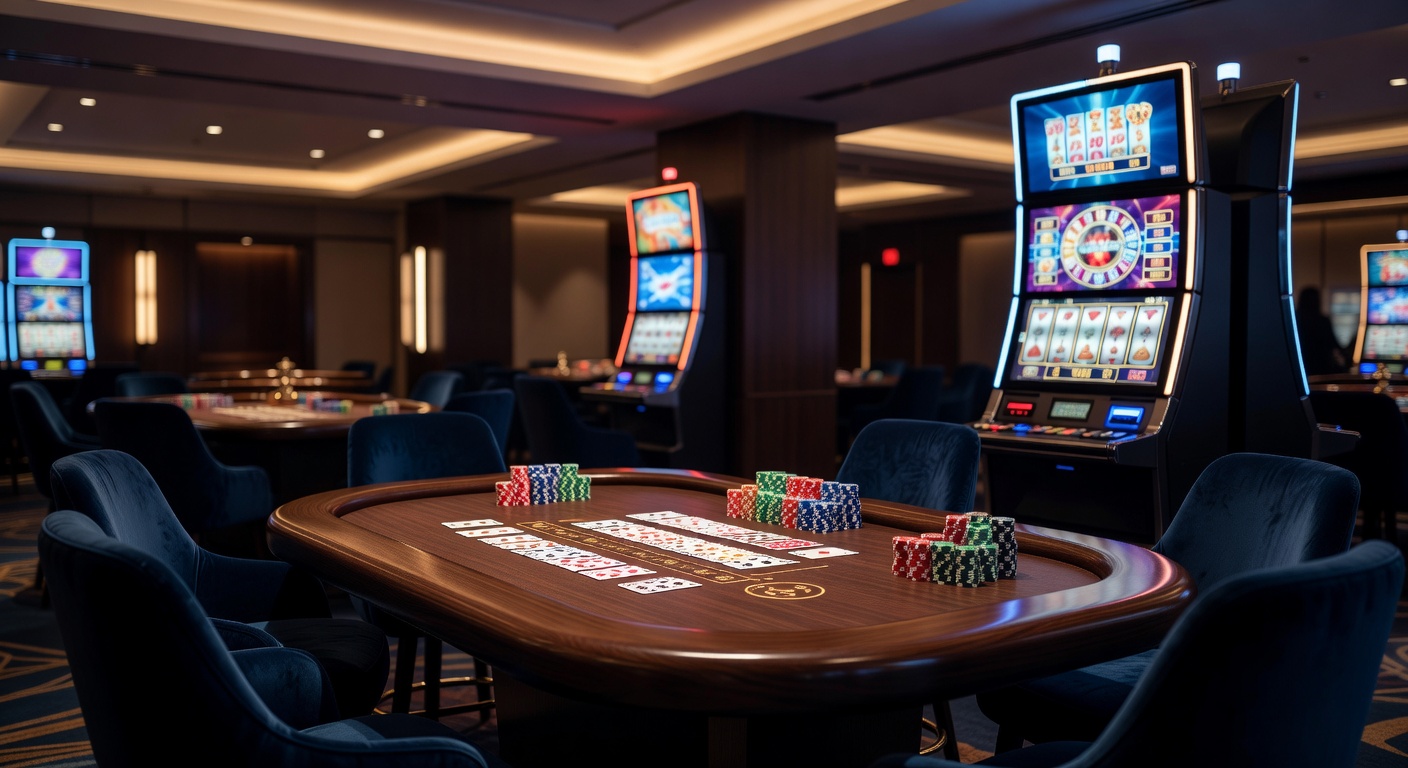
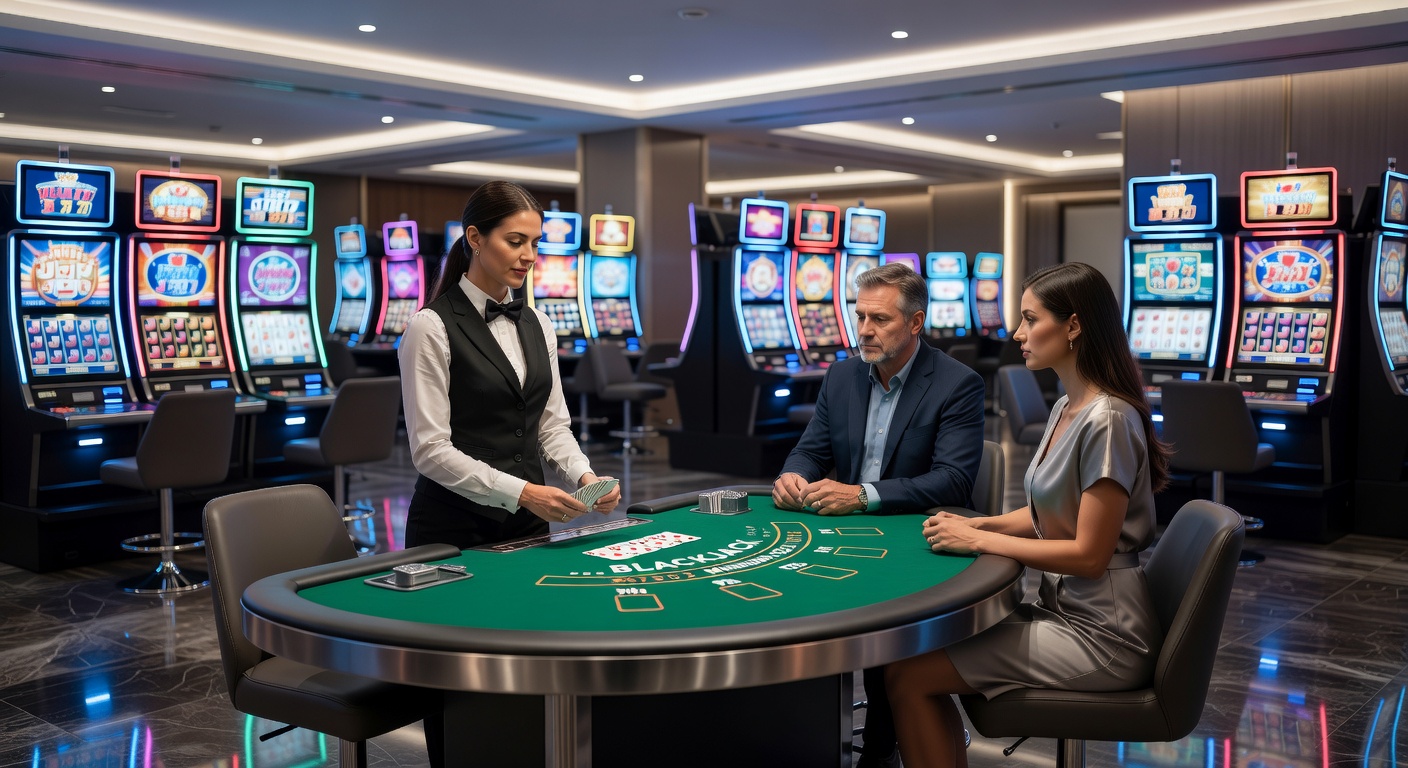
Slot machines remain the most widespread category in many properties, functioning through random number generators that produce results independent of previous spins. According to figures from the Nevada Gaming Control Board, these devices account for the majority of gaming revenue in several major markets, with payout percentages typically calibrated between 85 and 98 percent depending on jurisdiction and machine type. Table games such as blackjack and roulette follow distinct rulesets where dealer procedures and wheel configurations create fixed probabilities for each possible result.
Card-based activities introduce an element of skill through decisions on when to hit, stand, or split, yet house advantages persist across optimal play strategies. Roulette wheels, whether physical or digital, deliver consistent distributions across numbered pockets, while craps tables layer multiple betting options with varying odds. Poker variants differ because participants compete against each other rather than the house, with operators collecting rake fees instead of relying solely on edge calculations.
Regional Adaptations adn Participation Data
Markets in Asia have emphasized high-limit table areas and private salons, whereas North American and European locations often feature broader mixes that include video poker and progressive jackpot systems. Research indicates visitor volumes fluctuate seasonally, with summer months seeing increased foot traffic in desert and coastal properties. In August 2026, several properties in established markets plan technology refreshes that include faster transaction processing at cages and updated loyalty interfaces.
International operators have expanded electronic table offerings in response to staffing considerations and space constraints, allowing multiple participants to join simulated dealer sessions simultaneously. Participation rates tracked by industry associations reveal steady growth in hybrid formats that combine live elements with digital interfaces, particularly in jurisdictions that permit such integrations.
Regulatory Frameworks Across Jurisdictions
Government agencies enforce testing standards for equipment fairness and responsible play measures, with requirements varying by location. Canadian provincial regulators, for instance, mandate independent audits of random number generators before machines enter service, while Australian state authorities focus on harm minimization protocols including mandatory breaks and spending limits. These frameworks aim to maintain transparency in how outcomes are generated and reported.
Operators must submit regular reports detailing revenue, player activity, and compliance metrics. Figures released by the Singaporean authorities demonstrate how strict entry criteria and age verification processes correlate with controlled participation levels in integrated resorts. Similar oversight structures appear in emerging markets where new venues receive approval only after meeting infrastructure and security benchmarks.
Technological Integration and Format Evolution
Digital platforms have introduced live-streamed dealer sessions and mobile-accessible versions of classic games, expanding reach beyond physical properties. Systems now track play patterns in real time to adjust promotional offers automatically, while maintaining separation between gaming and non-gaming amenities such as dining and entertainment stages. Industry reports highlight how these tools reduce operational friction without altering core probability mechanics.
Progressive systems link machines across properties or even regions, creating larger prize pools that accumulate until triggered. Data shows these networks attract participants seeking higher potential returns, though individual session outcomes remain governed by the same mathematical distributions as standalone units. Security protocols have advanced alongside these developments, incorporating biometric checks and transaction monitoring to address regulatory expectations.
Conclusion
Chance entertainment within resort environments continues to adapt through equipment updates, regulatory adjustments, and platform expansions while preserving established probability structures. Participation data and compliance records from multiple regions illustrate steady operational patterns that support both visitor engagement and jurisdictional oversight. Future developments will likely build on existing frameworks rather than replace them entirely.