Resort Entertainment Through Chance: Formats, Odds, and Industry Patterns
Logan Lang · Jun 26, 2026
Resort Entertainment Through Chance: Formats, Odds, and Industry Patterns
Resort-based entertainment centered on chance draws millions of participants each year, with formats ranging from table games like blackjack and roulette to electronic machines and poker variants that operate under regulated conditions across multiple jurisdictions. Data from industry reports show steady participation levels, while operators continue to integrate new technologies that alter how these experiences unfold without changing core mathematical structures.
Core Game Formats and Their Structures
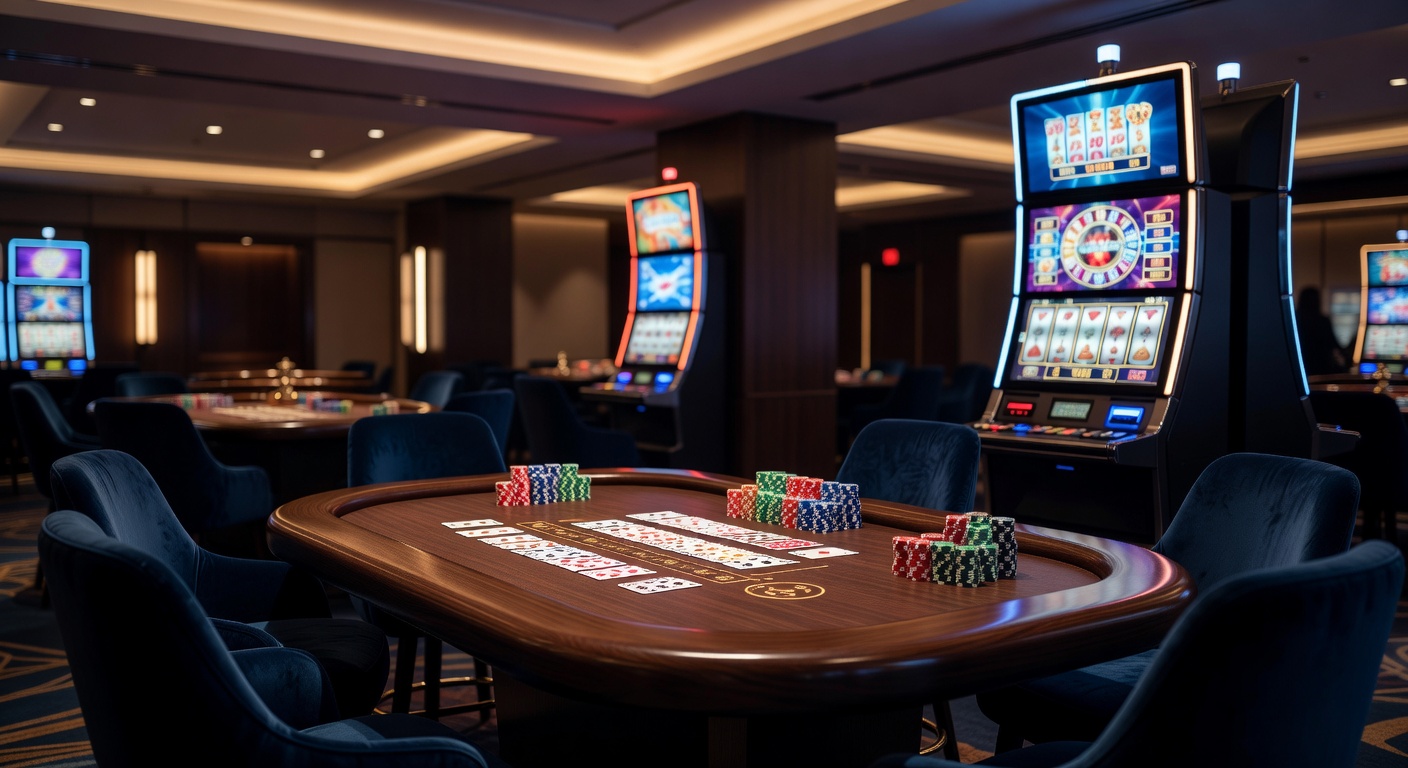
Blackjack remains one of the most widely offered table games because players compete directly against the house rather than each other, with rules that typically require reaching a hand total closer to 21 than the dealer without exceeding it. Roulette features a spinning wheel divided into numbered pockets where bets can cover single numbers, groups, or colors, and the outcome depends entirely on where the ball lands after each spin. Slot machines, which account for the largest share of revenue in many locations, use random number generators to determine reel combinations, and these devices appear in countless themes and configurations that appeal to different player preferences.
Poker rooms operate differently because participants play against one another while the house collects a commission known as the rake. Variants such as Texas Hold'em and Omaha draw crowds during tournaments, and observers note that skill elements influence long-term results more noticeably here than in purely chance-driven options. Craps involves dice rolls on a marked table where multiple betting options exist for each throw, creating layers of decisions even though the underlying probabilities stay fixed.
Probability Patterns and Participation Data
Studies from research institutions indicate that house edges vary by game and specific rules, with blackjack often falling between 0.5 and 2 percent when players follow optimal strategy, whereas many slot titles carry edges between 5 and 10 percent depending on the paytable. Roulette wheels with a single zero produce a house edge of 2.7 percent on even-money bets, while double-zero wheels raise that figure to 5.26 percent. These figures come from mathematical analysis rather than observation alone, and regulatory bodies require transparent disclosure in most licensed venues.
Figures released by gaming authorities in Nevada and Macau reveal that electronic gaming devices generate the majority of revenue in large resorts, while table games attract higher average wagers from certain demographic groups. Participation trends show seasonal fluctuations, and analysts track how holidays or major events influence visitor volumes without altering the underlying odds of any individual game.

Regulatory Developments and June 2026 Context
Regulatory updates continue to shape how operators present these entertainment options, with several jurisdictions reviewing compliance standards around player verification and transaction monitoring. In early June 2026, authorities in multiple regions scheduled reviews of existing frameworks to address emerging technologies such as mobile integration and automated table systems. These reviews focus on maintaining integrity rather than altering game mathematics, and industry associations have participated in discussions to align practices across borders.
Operators in established markets report that clear rules around game approval and auditing help sustain player confidence, while newer jurisdictions experiment with frameworks that balance innovation and oversight. Data from government sources in Singapore and parts of Australia show consistent application of these standards, with regular audits verifying that random number generators and table procedures meet required specifications.
Technological Integration Across Markets
Many resorts have introduced hybrid formats that combine physical tables with electronic betting terminals, allowing participants to place wagers from adjacent screens while dealers manage the live action. Live dealer streams extend access for those who prefer remote participation, and software providers supply the platforms that transmit real-time results under licensed conditions. These developments expand reach without modifying the probabilities that govern each outcome.
Payment systems have also evolved, with contactless options and digital wallets appearing alongside traditional methods in numerous locations. Reports from trade organizations highlight that these tools improve transaction speed while operators maintain records that satisfy regulatory reporting requirements. Observers note that such changes reflect broader shifts in consumer expectations rather than any alteration to game design itself.
Conclusion
Resort entertainment built around chance continues to operate within established mathematical boundaries even as delivery methods and regulatory environments adapt. Formats from table classics to electronic machines maintain distinct probability structures that participants can review through official disclosures, and global data sources track participation across regions. As June 2026 approaches, ongoing regulatory reviews and technology updates shape how these experiences reach audiences without changing the fundamental nature of the games themselves.