Resort-Based Chance Entertainment: Formats, Participation, and Industry Data
Noah Flores · Jun 7, 2026
Resort-Based Chance Entertainment: Formats, Participation, and Industry Data
Resort properties worldwide incorporate a range of chance-based activities that draw visitors through structured rules and payout systems, and data from regulatory filings show consistent participation levels across major markets in early 2026. These activities span physical table setups and electronic terminals, each governed by specific operational guidelines enforced by local authorities.
Table Formats and Their Operational Structures
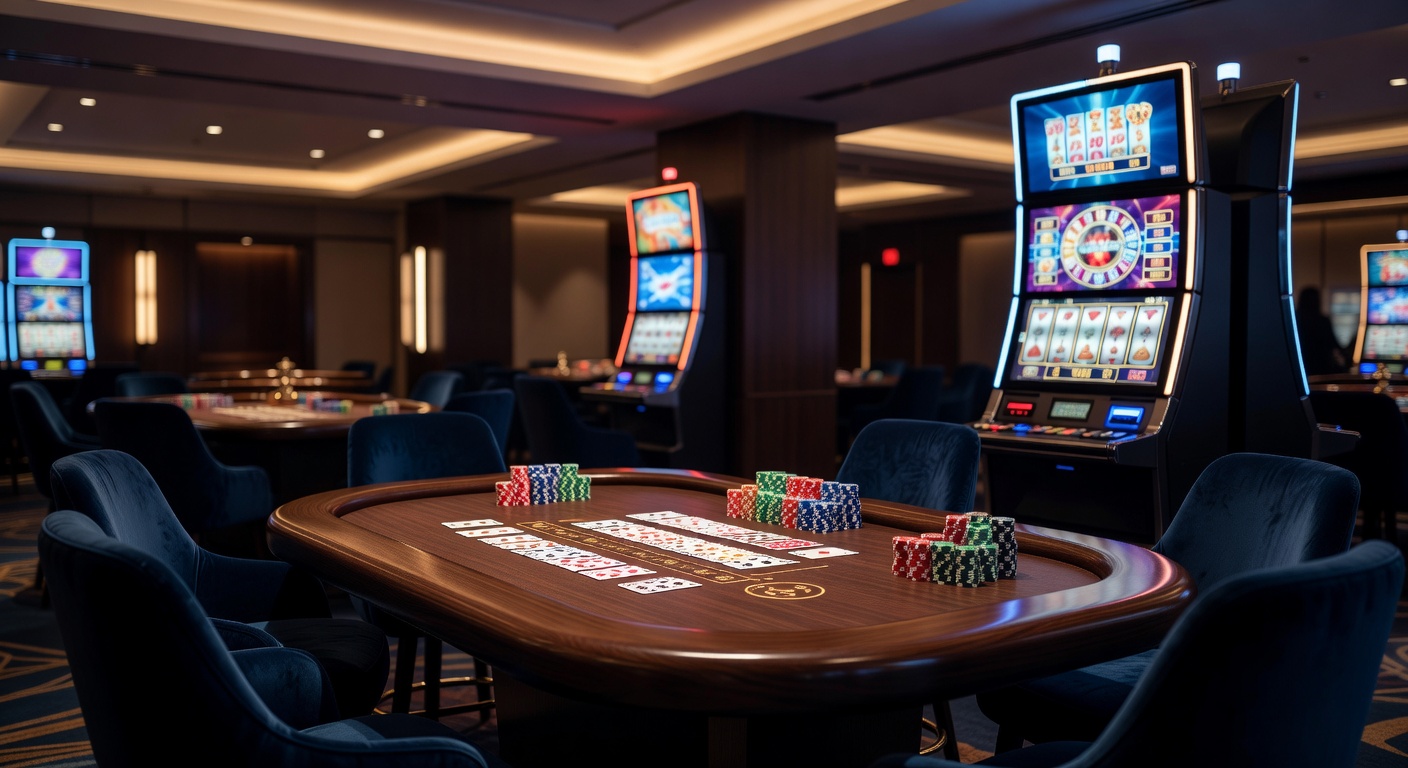
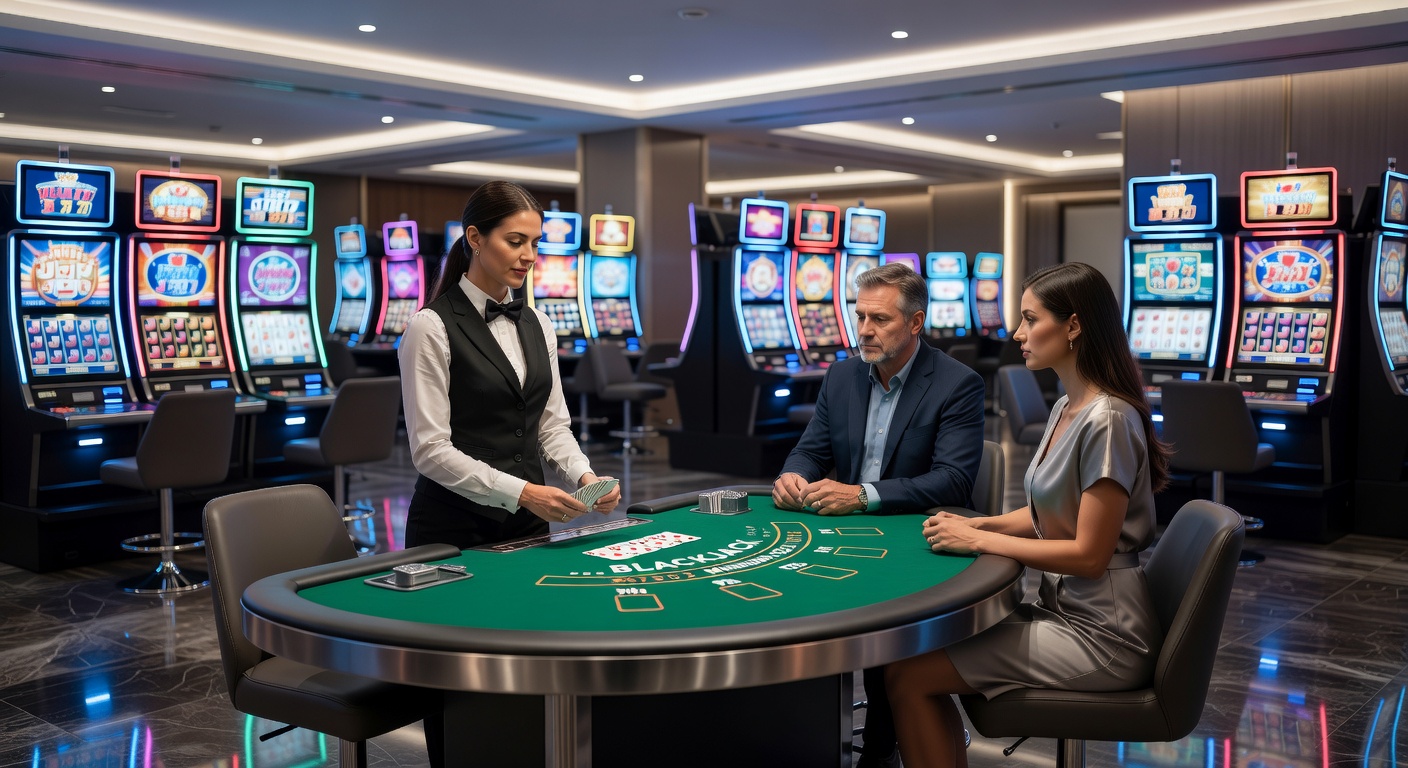
Blackjack stations require players to reach a hand total closer to 21 than the dealer without exceeding it, while roulette wheels feature numbered pockets that determine outcomes through ball placement. Baccarat tables track card values in sequences that favor banker or player positions, and craps layouts involve dice rolls across multiple betting zones. Industry reports indicate these formats account for significant floor space allocations at integrated resorts, with staffing ratios adjusted according to peak visitor periods.
Casinos maintain standardized procedures for each table type, including shuffle protocols and payout verification steps that align with oversight requirements. Observers note steady demand for these options in destinations such as Nevada and Macau, where volume metrics reflect seasonal fluctuations tied to tourism flows.
Electronic Gaming Devices and Their Distribution
Slot machines operate on random number generators that produce symbol combinations across reels, and video poker terminals allow card draw selections with fixed return percentages. Progressive jackpot networks link multiple units to accumulate shared prize pools, and data compiled by state gaming boards reveal installation numbers exceeding 800,000 units across U.S. jurisdictions alone. Manufacturers update cabinet designs periodically to incorporate touch interfaces and themed graphics that align with current entertainment preferences.
Electronic table games combine dealer simulations with player terminals, enabling simultaneous participation without physical card handling. These hybrids appear in expanded sections of properties undergoing renovations, and participation logs from June 2026 indicate balanced usage between traditional slots and newer multi-game stations.
Regulatory Adjustments and Market Monitoring
Authorities in various regions enforce anti-money laundering protocols and responsible gaming measures that affect game availability and session limits. The Nevada Gaming Control Board publishes quarterly summaries detailing compliance rates, while Singapore's Casino Regulatory Authority tracks similar metrics for integrated resorts. Figures from these sources show enforcement actions remain consistent, with operators required to submit detailed transaction reports at regular intervals.
Canadian provincial regulators and Australian state commissions apply comparable frameworks, and cross-border comparisons highlight variations in tax structures that influence operational margins. In June 2026, updated reporting templates took effect in select U.S. states, requiring additional data fields on player demographics without altering core game rules.
Player Dynamics Across Different Venues
Participation patterns differ by location, with high-limit rooms attracting specific segments and general floors serving broader visitor groups. Loyalty programs record repeat visits and average session durations, while aggregated statistics from the American Gaming Association demonstrate regional differences in preferred formats. European markets emphasize table games in certain historic properties, whereas Asian integrated resorts allocate larger percentages of space to electronic options.
Training programs for dealers and floor supervisors emphasize rule consistency and customer interaction protocols that support steady operations. Research compiled by academic institutions such as the University of Nevada, Reno tracks long-term trends in game popularity without projecting future outcomes.
Global Reach and Venue Adaptations
Integrated resorts in the Philippines and South Korea incorporate localized game variants alongside standard international offerings, and licensing agreements allow operators to introduce region-specific themes. Trade groups including the European Casino Association compile comparative data on floor configurations across member countries, revealing adaptations that respond to local cultural preferences and regulatory environments.
Digital platforms affiliated with physical properties extend access to select game types through verified accounts, yet physical venues continue to dominate revenue contributions according to filings submitted to multiple oversight bodies. Connectivity features in newer terminals enable real-time reporting that aligns with compliance standards.
Conclusion
Chance-based activities within resort settings maintain defined operational parameters supported by regulatory oversight and industry reporting mechanisms. Participation data collected through established channels provide objective measures of format distribution and venue performance across multiple jurisdictions. Continued monitoring by government agencies ensures alignment with established guidelines while properties adjust configurations in response to documented visitor patterns.