Resort-Based Chance Activities: Their Mechanics, Reach, and 2026 Developments
Noah Flores · Jul 21, 2026
Resort-Based Chance Activities: Their Mechanics, Reach, and 2026 Developments
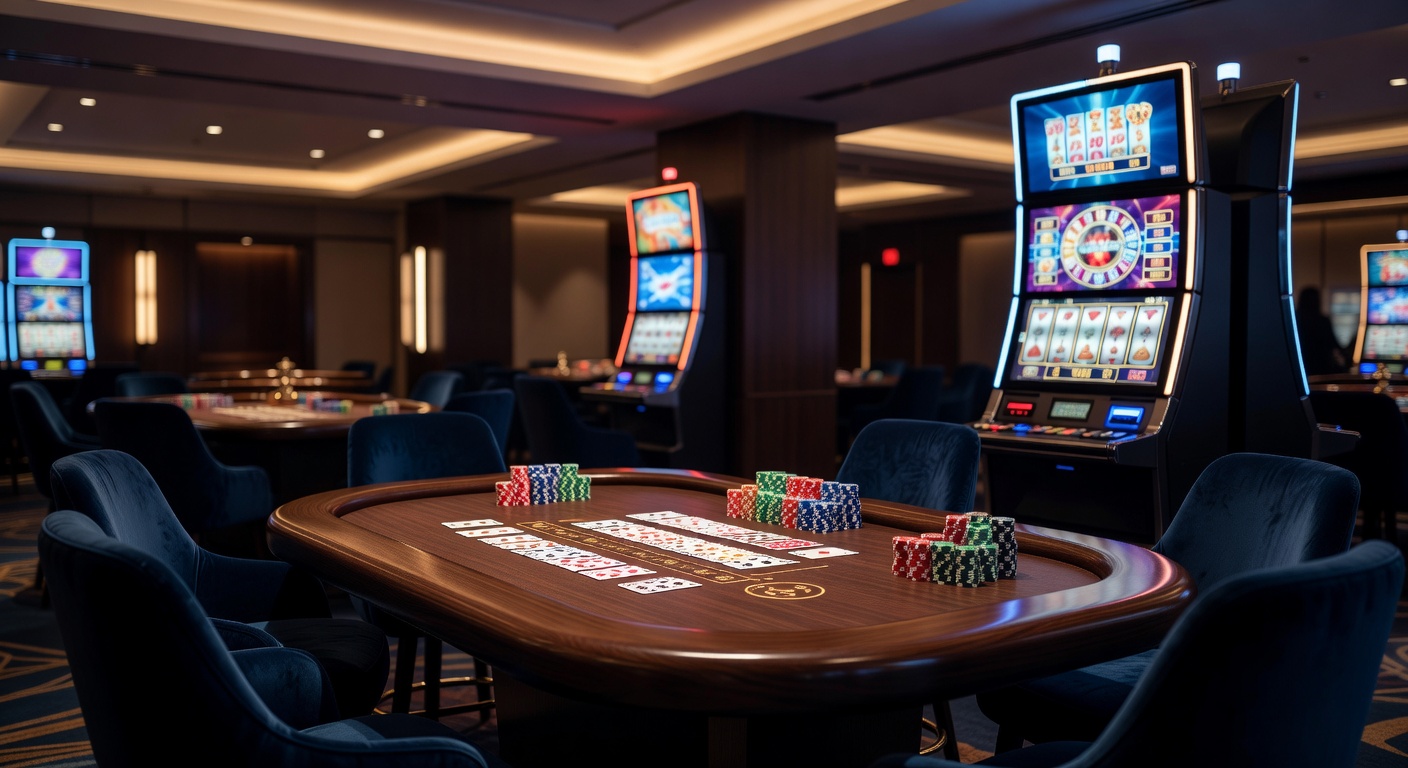
Resort-based chance activities encompass a range of table formats and electronic options that operate under strict regulatory oversight in multiple jurisdictions, and data from government agencies shows steady participation across North America, Asia, and Europe throughout recent years. These activities include card games like blackjack alongside spinning wheel variants and reel-based machines, each governed by specific probability structures that determine outcomes over extended play sessions. Observers note that operators adjust machine configurations and table rules periodically to align with local compliance requirements while maintaining consistent revenue streams.
Core Mechanics Across Table Formats
Blackjack relies on players aiming to reach a total closer to twenty-one than the dealer without exceeding it, with rules varying by venue such as allowances for splitting pairs or doubling down that alter the underlying house edge calculations. Roulette operates through numbered wheel spins where bets cover single numbers or grouped sections, and statistical records from regulatory filings indicate payout ratios remain fixed at thirty-five to one for straight-up wagers in most licensed properties. Baccarat functions on comparisons between player and banker hands, with drawing rules predetermined by the total values, which researchers have documented as producing house edges typically between one and two percent depending on the specific betting choice.
Those who study these formats point out that side bets introduced on many tables carry higher edges, yet participation in them continues in high-volume areas because they offer larger potential returns per round. In July 2026 several properties in established markets plan to roll out updated table layouts that incorporate digital displays for faster result verification, a move driven by operator reports on processing times rather than any shift in core rules.
Electronic Gaming Options and Their Expansion
Reel-based machines and video variants deliver outcomes through random number generators certified by independent testing labs, and figures released by state gaming commissions reveal that these devices account for the majority of floor space in large resorts across the United States and Australia. Progressive jackpot systems link multiple machines to build shared prize pools that grow until triggered, with records showing occasional payouts exceeding several million dollars at single locations. Video poker combines elements of skill through optimal strategy charts that lower the house edge when followed precisely, as documented in training materials distributed by industry associations.
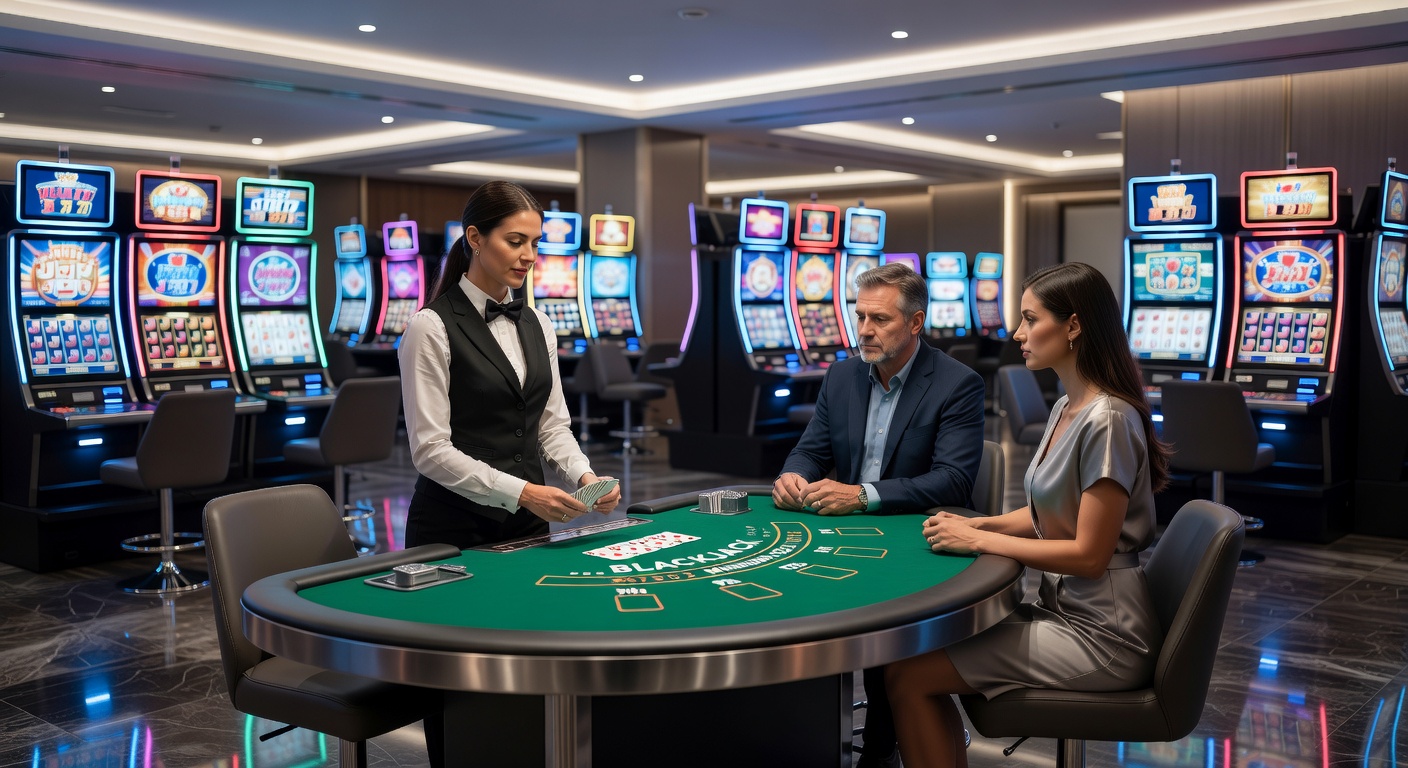
Participation data indicates electronic options draw consistent crowds during evening hours, while operators track average session lengths through internal systems to refine machine placement on the floor. What's interesting is how regional preferences influence machine themes, with Asian markets favoring certain cultural motifs and North American venues emphasizing branded entertainment tie-ins that appear on screen animations.
Regulatory Frameworks and Market Data
Agencies such as the Nevada Gaming Control Board publish quarterly reports detailing handle and win percentages across licensed venues, providing transparent benchmarks that other jurisdictions reference when updating their own standards. Canadian provincial regulators release similar summaries that track electronic gaming revenue separately from table games, revealing distinct seasonal patterns tied to tourism flows. Australian state authorities maintain public databases on machine density limits and responsible gaming measures, which operators must incorporate into floor designs.
These reporting structures help maintain consistent oversight while allowing operators flexibility in game mix adjustments. Research from academic institutions has examined player decision patterns under varying payout structures, confirming that return-to-player percentages remain the primary metric used in licensing approvals worldwide.
Technological Integration in Current Operations
Modern resorts integrate player tracking systems that record activity across both table and electronic formats, enabling operators to analyze foot traffic and adjust staffing accordingly. Live dealer streams connect remote participants to physical tables through secure video feeds, a format that expanded significantly after initial deployments in regulated markets. Mobile applications tied to loyalty programs allow users to monitor promotions and account balances, though access remains restricted to verified accounts within approved geographic boundaries.
Industry trade groups note that these systems improve operational efficiency without altering the fundamental chance elements of any game. In July 2026 further updates to digital interfaces are scheduled at multiple properties to enhance transaction speeds at cashier stations and self-service kiosks.
Conclusion
Resort-based chance activities continue to operate within established probability frameworks while adapting to technological and regulatory changes across global markets. Participation metrics compiled by various government bodies demonstrate sustained interest in both traditional table options and electronic formats, supported by transparent reporting that tracks performance and compliance. Operators rely on certified systems and documented procedures to deliver consistent experiences, and ongoing developments scheduled for mid-2026 reflect incremental refinements rather than wholesale shifts in how these activities function.