Market Dynamics Shaping Casino Entertainment Choices in 2026
Lars Schmitt · Aug 30, 2026
Market Dynamics Shaping Casino Entertainment Choices in 2026
Resort properties continue to expand their selections of chance-based activities as operators respond to shifting player preferences and regulatory updates across multiple jurisdictions. Data from industry reports indicate steady growth in both traditional table formats and electronic variants, while new developments scheduled for August 2026 highlight ongoing integration of digital tools into physical venues.
Core Game Categories and Their Structures
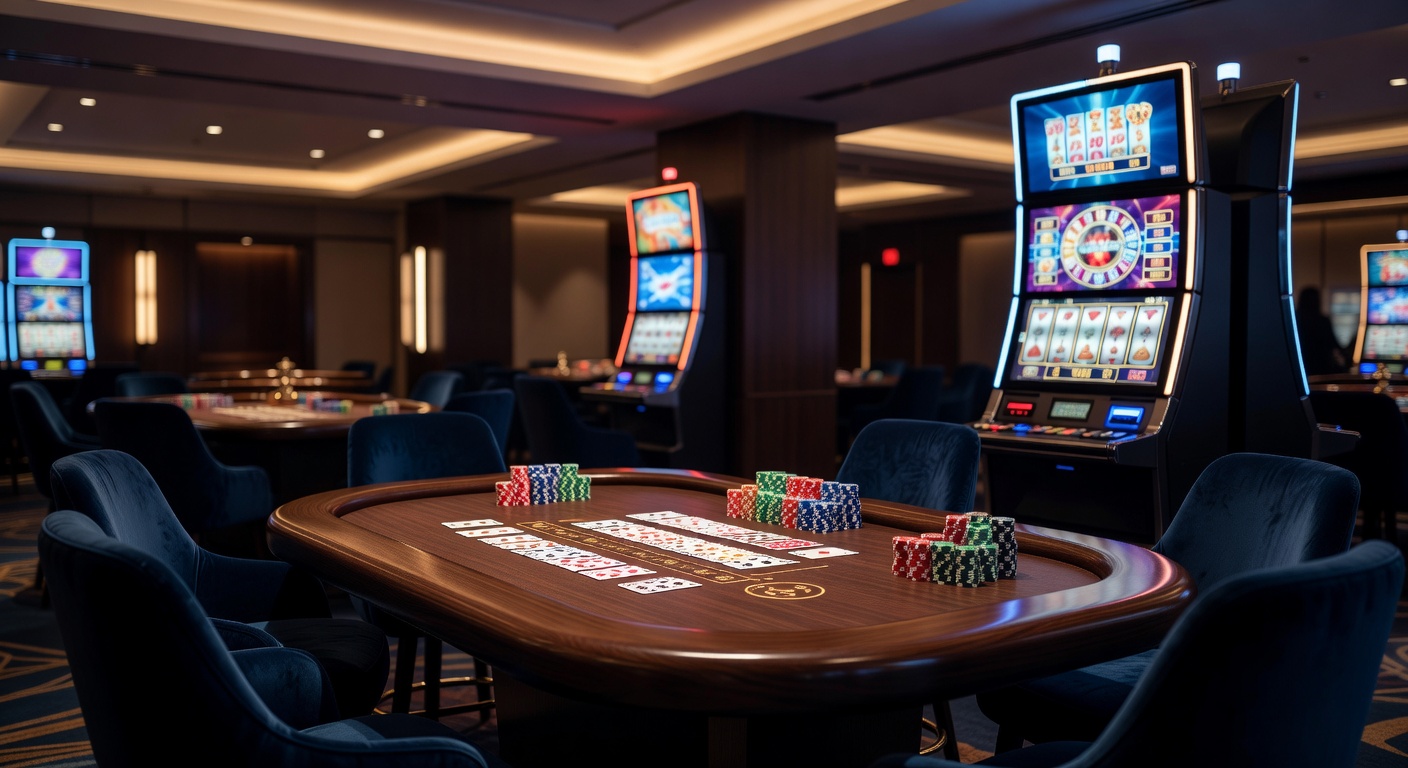
Table games such as blackjack, roulette, and baccarat maintain consistent participation rates according to figures released by the Nevada Gaming Control Board, with blackjack alone accounting for substantial revenue shares in major markets. Slot machines, including progressive jackpot models and themed video reels, represent the largest segment by volume, and operators report that multi-line configurations attract repeat play through varied payout structures.
Poker rooms operate under distinct rulesets that emphasize skill elements alongside chance, whereas craps and sic bo draw crowds seeking faster resolution cycles. Research compiled by the Alcohol and Gaming Commission of Ontario shows regional differences in game popularity, with electronic table games gaining traction where space constraints limit live dealer deployments.
Technological Integration Across Venues
Operators have introduced hybrid stations that combine physical wheels with digital interfaces, allowing simultaneous play from remote terminals and on-site positions. These systems rely on certified random number generators verified through independent testing labs, and participation data reveals increased session lengths when mobile ordering integrates with gaming terminals.
Live dealer streams broadcast from dedicated studios extend reach beyond property boundaries, while augmented reality overlays provide additional information layers during play. Industry associations note that August 2026 installations at select properties will feature enhanced biometric verification for high-limit areas, aligning with broader compliance frameworks.

Regional Participation Patterns
North American markets demonstrate strong demand for both land-based and sweepstakes-style formats, whereas Asian jurisdictions report higher volumes in baccarat-focused rooms. European properties maintain strict separation between gaming zones and entertainment areas, with licensing bodies requiring detailed reporting on hold percentages and player traffic.
Observers note that cross-border tourism influences game mix decisions, prompting operators to adjust offerings seasonally. Figures from academic studies on gambling behavior indicate that demographic segments aged 25 to 45 show preference for interactive electronic options over classic reel machines in several tested locations.
Regulatory Frameworks and Compliance Updates
Authorities in multiple regions enforce standardized testing protocols for all new game releases, and August 2026 timelines include scheduled reviews of anti-money laundering procedures at several integrated resorts. These measures require operators to maintain detailed transaction logs and implement real-time monitoring tools approved by local regulators.
Industry trade groups compile annual statistics that track average house edges across game types, providing transparent benchmarks for participants. Compliance costs have risen in line with expanded reporting requirements, yet revenue figures continue to reflect sustained interest in regulated environments.
Player Dynamics and Session Behaviors
Analyses of transaction data reveal that players often alternate between low-volatility slots and higher-stakes table games within single visits. Loyalty programs track these patterns through point accumulation systems that reward consistent activity across categories, and operators adjust promotional calendars accordingly.
Studies conducted by university research teams have examined dwell times at various station types, finding correlations between ambient lighting adjustments and extended engagement periods. Such findings inform design choices without altering core mathematical structures of the games themselves.
Conclusion
Current records show that casino entertainment continues to evolve through measured adoption of technology and adherence to oversight mechanisms across global markets. Participation metrics from established regulatory sources demonstrate ongoing interest in both established formats and newer hybrid offerings, while preparations for August 2026 installations reflect continued investment in compliance infrastructure and player experience refinements.