Developments in Chance Entertainment Formats at Global Resorts
Lars Schmitt · Jul 7, 2026
Developments in Chance Entertainment Formats at Global Resorts
Resort destinations around the world continue to refine their offerings in chance entertainment, blending established table formats with machine-based options that reflect local regulations and visitor preferences, and data from industry groups shows steady expansion in both physical and digital channels through mid-2026.
Core Table Formats and Their Operational Structures
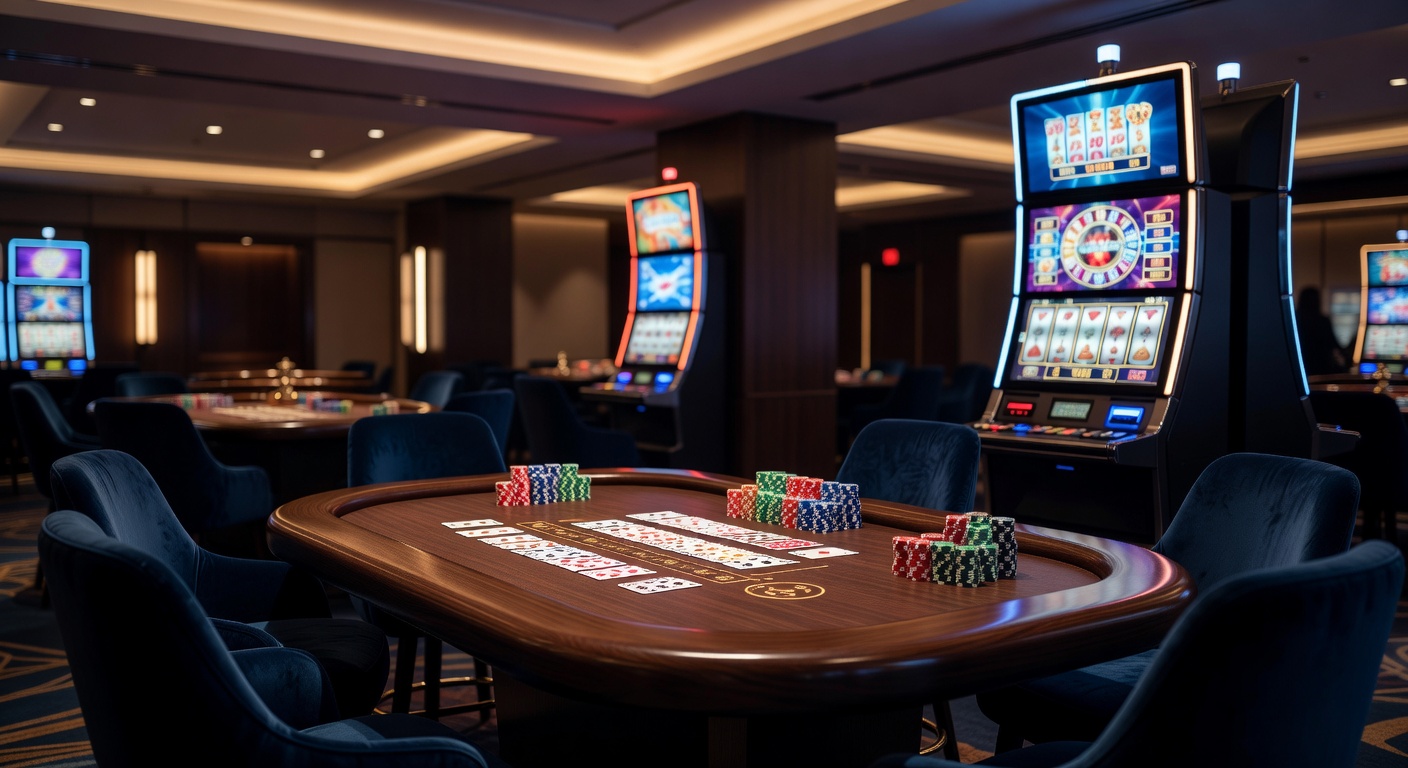
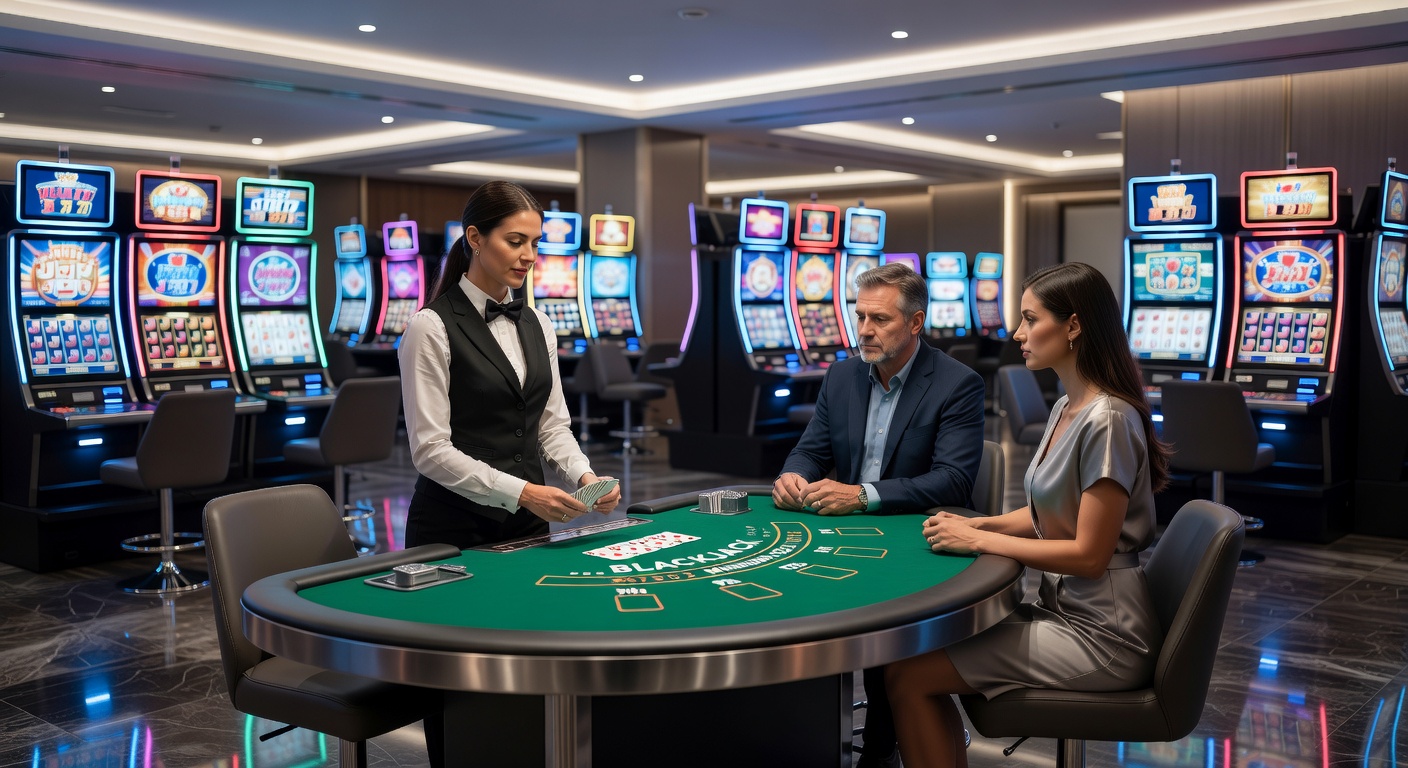
Blackjack remains a staple in many venues because players compete directly against the house using a standard deck, with rules that vary slightly by jurisdiction such as whether the dealer hits on soft 17 or allows doubling after splits, while roulette operates on a wheel divided into numbered pockets where bets cover single numbers, groups of numbers, or colors, and craps involves dice rolls that determine outcomes on a marked felt layout with multiple wagering choices available simultaneously. Poker rooms function differently since participants play against each other rather than the house, with the venue collecting a rake from each pot, and these distinctions influence how operators allocate floor space and staff resources.
Machine-Based Options and Their Technical Specifications
Slot machines generate results through random number generators certified by independent testing labs, with return-to-player percentages typically ranging between 90 and 98 percent depending on the jurisdiction and game design, and video poker variants combine elements of skill with chance since optimal play can reduce the house advantage to under 1 percent in certain paytable configurations. Electronic table games replicate live dealer experiences through terminals connected to a central system, allowing multiple players to participate without requiring additional physical tables, and these formats have gained traction in markets where space constraints or staffing costs affect traditional setups.
Regional Adaptations and Regulatory Influences
In North American markets, operators adjust game mixes according to state or provincial rules, with some locations emphasizing high-limit table areas while others focus on volume-driven slot floors, and reports from the American Gaming Association indicate that machine revenue often accounts for the majority of total gaming win in many U.S. properties. European venues tend to maintain stricter limits on machine numbers and payout structures, whereas Asian resort destinations frequently incorporate baccarat as a primary table game due to cultural preferences, and these differences create distinct operational profiles across continents.
Technology integration appears in several forms, including mobile apps that allow players to track rewards or place reservations, and cashless payment systems that reduce handling of physical currency on the floor. Observers note that these tools also support responsible gaming features such as session limits and reality checks, which regulators in multiple jurisdictions now require as standard components of licensing agreements.
Participation Patterns Observed in 2026
Figures released in July 2026 by various regulatory bodies show continued interest in hybrid experiences where live dealers interact with remote participants through streaming technology, and this model has expanded in jurisdictions that permit online extensions of land-based licenses. Player demographics reveal a broad age range, with younger visitors gravitating toward themed machines and electronic versions of table games while older groups maintain steady engagement with classic formats, and operators respond by refreshing game libraries on regular cycles to sustain repeat visits.
Training programs for dealers and floor staff emphasize both game protection and customer interaction, since accurate rule enforcement and efficient pace contribute directly to session length and overall revenue, and industry associations track these metrics as part of broader performance benchmarks. Supply chain considerations also affect availability, as specialized equipment manufacturers deliver customized cabinets and software updates that align with each property's branding and regulatory requirements.
Conclusion
Chance entertainment at resort properties operates within frameworks shaped by regulation, technology, and visitor expectations, producing a range of formats that continue to evolve without altering their fundamental reliance on probability and structured rules, and ongoing data collection helps stakeholders monitor performance across different markets and game categories.